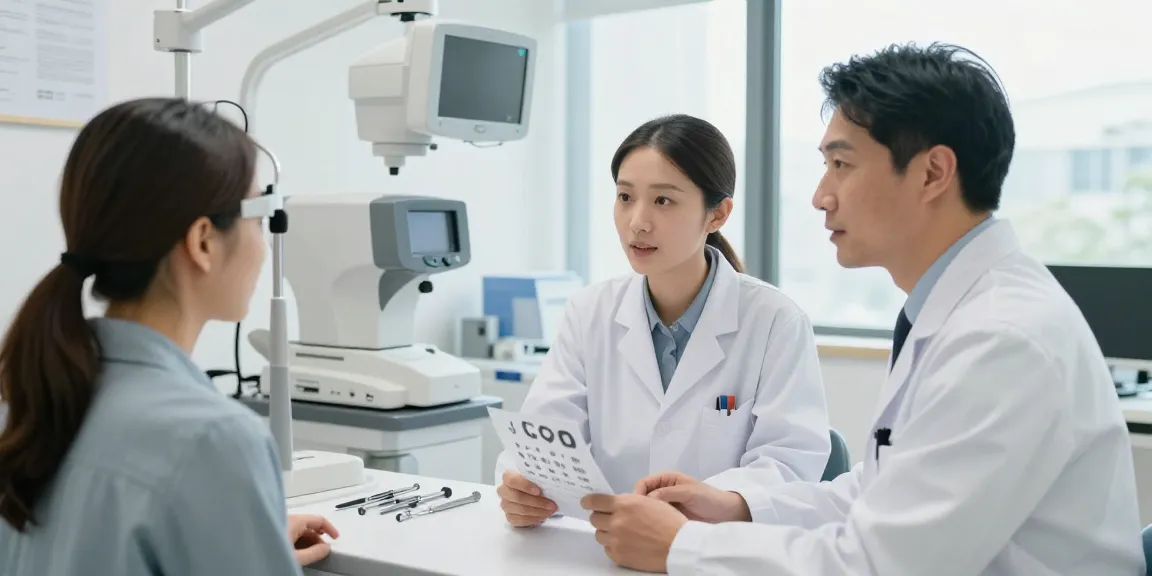
Understanding Koreksi Penglihatan: The Basics
Koreksi Penglihatan, or vision correction, is a vital aspect of eye care that aims to enhance a person’s visual acuity through various methods and technologies. As our understanding of eye health evolves, exploring the different avenues available for vision correction becomes crucial for individuals facing sight-related issues. At SNU Eye Clinic, we offer a comprehensive approach to eye care and surgery that ensures patients receive the best possible outcomes tailored to their needs. When exploring options, Koreksi Penglihatan provides comprehensive insights into how modern technology can improve your vision.
What is Koreksi Penglihatan?
Koreksi Penglihatan encompasses several procedures designed to correct refractive errors, which can impede clear vision. These errors typically include myopia (nearsightedness), hyperopia (farsightedness), astigmatism, and presbyopia (age-related vision changes). By addressing these conditions, individuals can significantly enhance their daily quality of life, whether by achieving greater clarity in their outlook or reducing their dependency on corrective lenses.
Common Techniques for Vision Correction
There are numerous techniques available for Koreksi Penglihatan, each with its unique advantages and suitability for different patient profiles:
- Glasses: The most traditional method, correcting vision through the use of lenses that alter light’s path as it enters the eye.
- Contact lenses: Offer a more aesthetic solution, fitting directly onto the eye’s surface, thus providing a wider field of vision without obstruction.
- Laser surgery: Techniques like LASIK and PRK reshape the cornea to improve focus, offering a more permanent solution without the need for glasses or contacts.
- Intraocular lenses (IOLs): Used primarily in cataract surgery or for patients with high refractive errors, these lenses are placed inside the eye to correct vision.
- Implantable Collamer Lens (ICL): A newer solution that involves placing a lens inside the eye, ideal for those who might not be good candidates for laser surgery.
Importance of Early Eye Examination
Early detection of vision issues is critical in the successful management of eye health. Regular eye exams allow for proactive identification of refractive errors and other eye conditions, ensuring timely intervention. For children, routine eye examinations are particularly important to detect any developmental problems, while adults are encouraged to have regular check-ups to identify conditions like glaucoma or macular degeneration in their early stages.
Advanced Solutions for Koreksi Penglihatan
Innovative Procedures Available in 2026
As technology advances, the landscape of eye care and Koreksi Penglihatan continues to develop. Innovations such as personalized wavefront-guided LASIK and femtosecond laser techniques enhance precision, reducing recovery time and improving visual outcomes. Other emerging technologies include adjustable IOLs, providing patients with customizable vision correction options post-surgery, and new ocular imaging systems that enhance diagnostic accuracy.
Comparing ICL and Toric ICL: Which is Right for You?
For patients with significant nearsightedness or astigmatism, two popular options are the standard ICL and the Toric ICL. The ICL is designed solely for nearsighted individuals, while the Toric version corrects astigmatism simultaneously. Choosing between these options depends on various factors including the degree of refractive error, the health of the eye, and lifestyle preferences. Consulting a qualified eye care professional is essential to determine the most suitable choice.
Success Rates and Patient Outcomes
Both ICL and Toric ICL surgeries have demonstrated high success rates, with many patients achieving 20/25 vision or better post-operation. Numerous studies indicate patient satisfaction remains high, with many reporting a significant improvement in their quality of life due to restored vision. At SNU Eye Clinic, we prioritize patient outcomes, utilizing advanced techniques and pre-operative assessments to maximize surgical success.
The Role of Personalized Eye Care
1:1 Vision Correction Approach
At SNU Eye Clinic, we believe in a personalized approach to eye care. Our 1:1 Vision Correction method ensures that each patient receives tailored assessments and solutions based on their unique vision needs. This individualized approach not only fosters better communication between our specialists and patients but also enhances satisfaction with treatment outcomes.
Understanding Individual Needs and Expectations
Each patient’s vision correction journey is unique, influenced by their ocular health, lifestyle, and personal preferences. During your consultations, our eye care professionals will take the time to understand your specific needs and expectations, ensuring we align our treatment plans with your goals.
Benefits of Customized Treatment Plans
Customized treatment plans improve the likelihood of achieving optimal visual results while minimizing the risk of complications. By utilizing advanced diagnostic technology and incorporating patient feedback, we can design interventions that not only correct vision problems but also suit the patient’s lifestyle and comfort levels.
Choosing the Right Eye Clinic for Koreksi Penglihatan
Key Factors to Consider in a Clinic
When selecting an eye clinic for Koreksi Penglihatan, it’s vital to consider factors such as the clinic’s reputation, the technology used, and the qualifications of the medical professionals. Look for certifications and accreditations from recognized medical boards, as these often indicate a facility that adheres to high standards of care.
Credentials and Expertise of Eye Care Professionals
The experience and credentials of eye care professionals play a crucial role in the success of any vision correction procedure. Ensure that your chosen clinic has specialists with extensive training in the latest techniques and technologies. Reading reviews and testimonials can also provide insight into the quality of care provided by a clinic.
Patient Reviews and Success Stories
Patient satisfaction is a strong indicator of a clinic’s quality of service. Look for success stories and before-and-after galleries to gauge the effectiveness of the treatments provided. Engaging with former patients can offer valuable personal insights into their experiences and outcomes.
Future Trends in Eye Care and Koreksi Penglihatan
Technological Advances in Eye Surgery
The future of eye care is bright, with continuous advancements in technology shaping the industry. Trends such as artificial intelligence and machine learning are being integrated into diagnostic tools and treatment plans, enhancing precision in surgeries and individualized patient care.
Predictions for the Eye Care Industry by 2026
By 2026, we anticipate a significant increase in the adoption of minimally invasive surgical techniques, along with further innovations in lens materials that enhance comfort and visual acuity. Moreover, the emergence of telemedicine will provide patients with more access to consultations and follow-up care, making eye care more accessible than ever before.
Emerging Challenges and Solutions
Despite the positive projections, the eye care industry faces challenges such as the increasing prevalence of digital eye strain and an aging population. Solutions will likely include greater emphasis on preventive measures, such as public awareness campaigns about eye health and the importance of regular examinations.
What are the most common methods of Koreksi Penglihatan?
The most common methods include glasses, contact lenses, laser surgeries, and ICL procedures, each having its specific applications depending on the patient’s conditions.
How do I know if I need Koreksi Penglihatan?
If you experience blurred vision, difficulty seeing at night, or trouble focusing on close or distant objects, it may be time to consult an eye care professional about Koreksi Penglihatan options.
What should I expect during my eye exam?
During an eye exam, you can expect a series of tests to assess your vision and eye health. This may include refraction tests, a visual field test, and examinations of the eye’s structure.
Are there risks associated with eye surgeries?
While most eye surgeries are safe, there are risks involved, including infection, dry eyes, or visual disturbances. A thorough discussion with your eye doctor can help you understand these risks and make an informed decision.
How often should I have my eyes checked?
For optimal eye health, adults should have an eye exam every one to two years, while those with existing eye conditions may need more frequent assessments.